Previous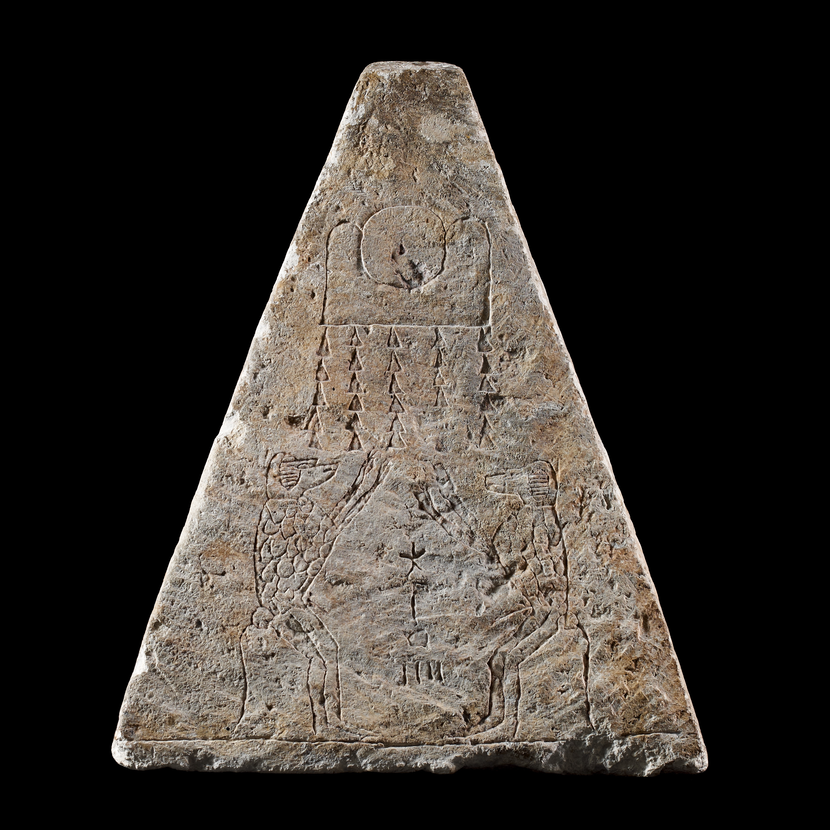
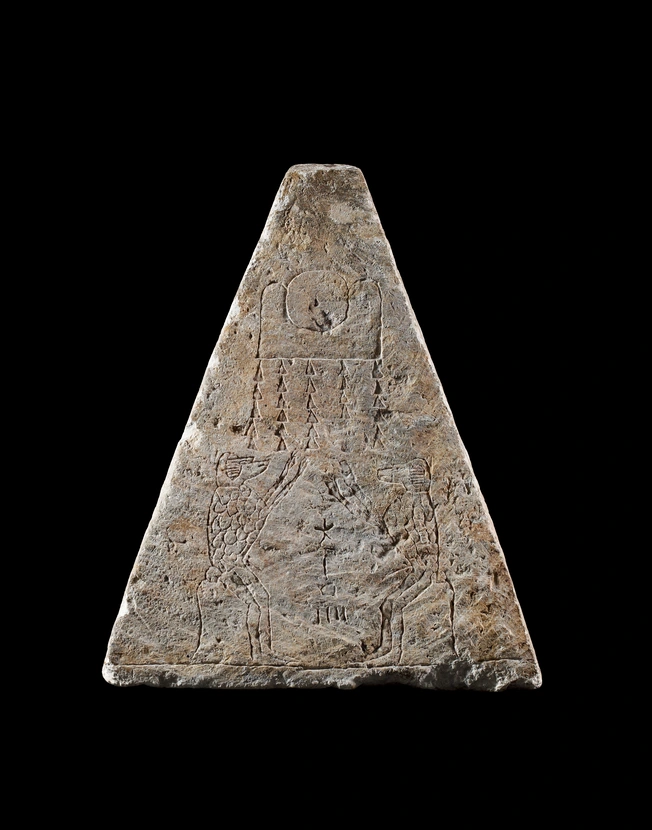
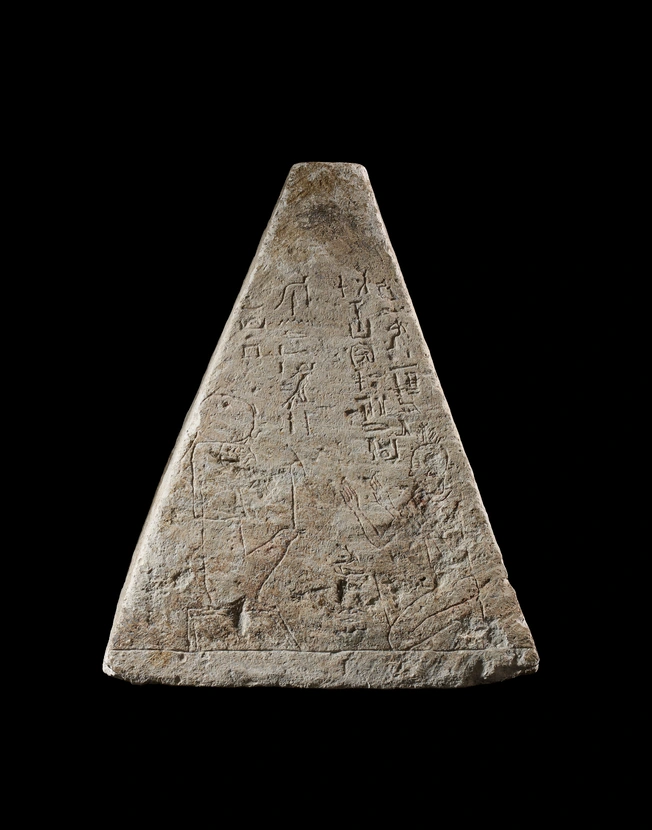
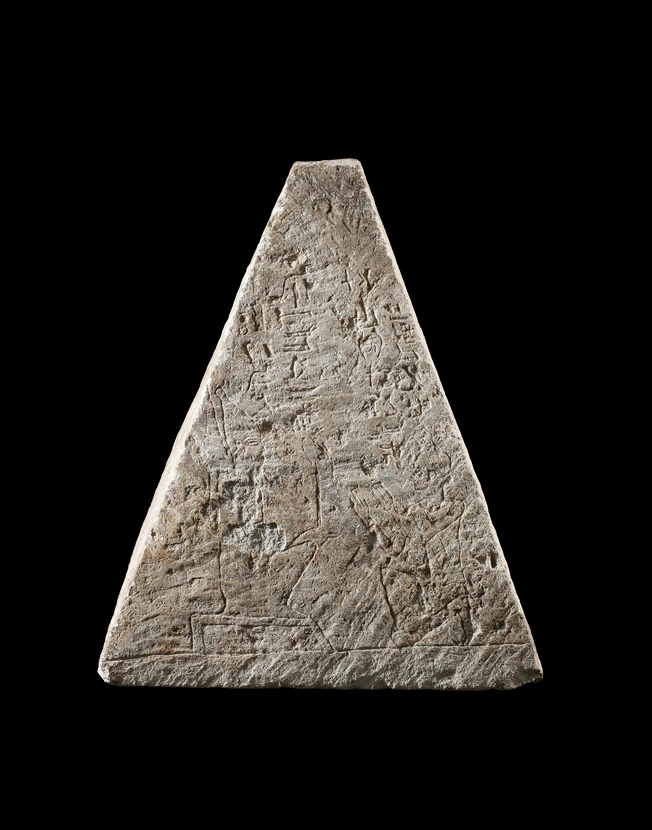
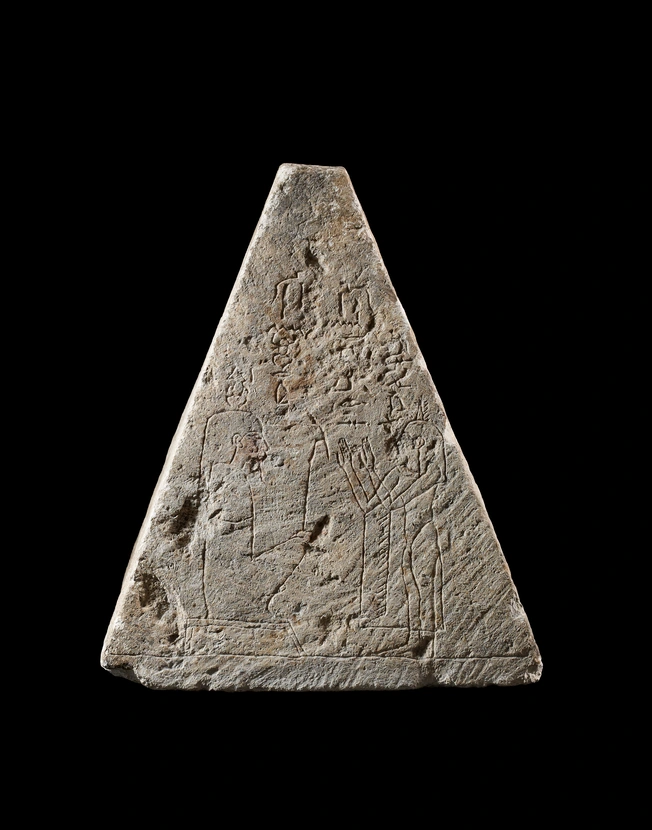
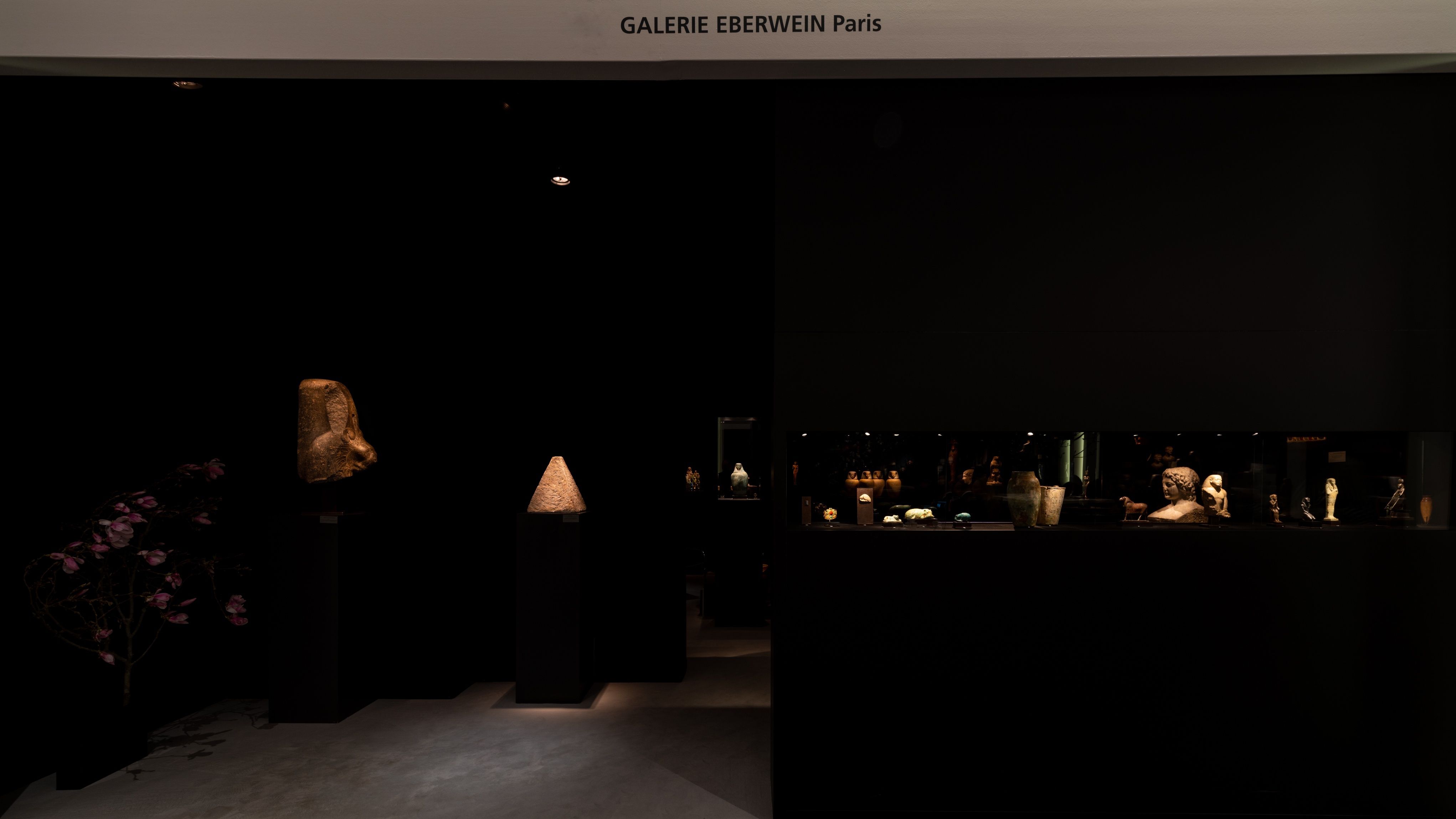
Pyramidion of Pakharu
All four sides with engraved scenes representing the rebirth of the deceased Pakharu associated with the solar cycle.
Egypt, Abydos
Late XXV/early XXVI Dynasty, circa 700-525 BC
Limestone
Height 36.8 cm ( 14 1⁄2 in )
Width 30.5 cm ( 12 in )
Former French collection, in 1933 with Dikran Kélékian, 10 Rue Rossini, Paris, France
Sotheby’s New York, 20th June 1990 Lot 91
H. de Meulenaere: Pyramidions d’Abydos, Jaarbericht van het Vooraziatisch-Egyptisch Genootschap, Ex Oriente Lux, 20, Leiden, 1967-68 pp. 1-20, pl. I-VI
University College London, UCL 14649, Pyramidion of Nesnubhotep, Abydos, dating to Dynasty XXVI
 Share
Share  Print
Print  Call Us
  Enquire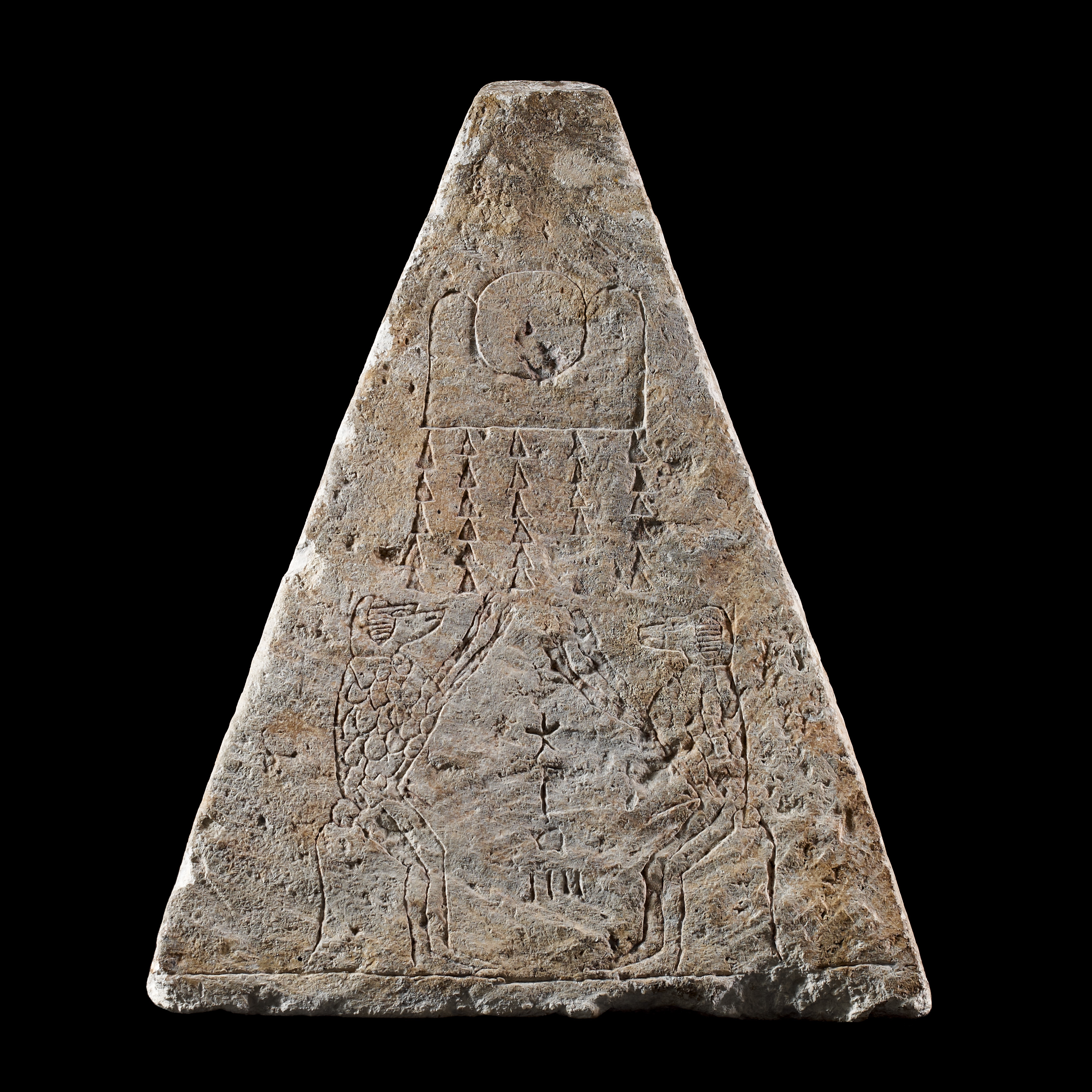
All four sides with engraved scenes representing the rebirth of the deceased associated with the solar cycle:
First side showing the Sun in the Horizon, rays descending on two adoring cynocephalic apes. The hieroglyphic inscription probably reading: “Adoring the god four times“.
Second side showing a male figure, probably the owner Pakharu, kneeling in worship before Re-Horakhty, the falcon-headed god squatting on a pedestal (in form of the hiroglyphic sign Maat) and holding the was-scepter. Inscription: “Words spoken by Re-Horakhty, the great god, the lord of the Horizon“, and priestly titles indicating the Abydene origin of the Pyramidion.
Third side showing a male figure kneeling in adoration before the god Atum, squatting on a pedestal, holding the was-sceptre and wearing the double crown. Inscription: “Words spoken by Atum ... Heliopolis ... forever“, and priestly titles indicating the Abydene origin of the Pyramidion.
Fourth side is showing a female figure, probably the wife of Pakharu, standing in adoration before the god Khepri. The god is squatting on a pedestal holding the was-sceptre. Above his head figures the sign for his name, a scarab beetle. Inscription: “Words spoken by Khepri ... words spoken by the mistress of the house…“.